When your grantmaking operations rely on fragmented spreadsheets and outdated legacy systems, manual mistakes are inevitable. For grantmakers, administrative errors, ranging from misplacing compliance documents in private inboxes to miscalculating multi-year commitments, slows down impact and creates frustrating grantee experiences that can ultimately drain a nonprofit’s fundraising capacity.
On the other hand, modernizing your technology and grantmaking workflow allows your team to confidently manage complex portfolios, ensuring that funds are deployed efficiently. This article outlines four practices to streamline operations, simplify grantee experiences, and safeguard your funding decisions against costly manual mistakes.
Automate due diligence and data entry.
Relying on applicants to manually retype compliance data or expecting staff to independently verify IRS standing introduces the risk of data entry errors. Instead, your foundation can adopt technology that auto-fills application profiles with verified information, helping avoid typographical errors and other input mistakes.
Consider these strategies to implement automated verification and simplify your intake process:
- Connect to centralized databases. Integrate your intake platform with hubs like Candid to pull and verify current nonprofit tax profiles. This instant sync means your team never has to guess if an organization’s status is active or expired.
- Eliminate redundant manual input. Configure universal logins so grantees don’t have to recreate new accounts or re-enter organizational details for each funding cycle. Single sign-on tools give applicants an accessible, smooth experience from start to finish.
- Deploy AI to auto-suggest historical responses. According to Temelio’s guide to AI in grantmaking, grants management tools with built-in AI assistants can recall a nonprofit’s uploaded documents, past applications, and stored profiles. This ensures consistency and reduces the administrative burden on grantees. For example, they won’t have to manually type in their mission statement, official nonprofit name, or any other previously submitted information.
These automated checks verify compliance and accuracy, ensuring your board has accurate information without placing an undue burden on grantees. Take a moment to audit your current applications and see how many fields are strictly for internal filing rather than evaluating impact. Automating purely administrative questions allows grantees to focus more on crafting meaningful grant proposals that improve their chances of winning funding.
Implement structured workflows for intuitive operations.
A lack of standardized processes often leads to dropped tasks, misrouted applications, and chaotic review cycles. Your technology can help resolve this. Lean foundation teams especially need straightforward tools that allow them to create effective workflows without an IT specialist.
Put these best practices to work when structuring your foundation’s review cycles:
- Build multi-stage approval processes. Design clear, sequential steps that dictate exactly when and to whom an application moves next. Routing a proposal automatically from the initial screener straight to the board committee prevents files from getting lost in a busy inbox.
- Establish standardized evaluation criteria. Create rubrics for all reviewers to score proposals using the exact same metrics, preventing subjective misinterpretations. Sharing these rubrics also helps applicants align their grant writing with your foundation’s exact priorities.
- Assign automated task reminders. Ensure grantees are always aware of deadlines by configuring the system to proactively notify both staff and grantees of upcoming deliverables, such as grant reporting deadlines.
Creating rigid yet accessible guardrails ensures every proposal is treated fairly while keeping lean teams organized. Try mapping out your ideal workflow on a whiteboard before building it into your software so everyone on the team completely understands the routing logic.
Centralize communications to prevent fragmented context.
When grant managers communicate with applicants via scattered email threads, vital historical context is lost the moment a staff member leaves or changes roles. Moving all communications into your grants management tools ensures a complete, unified history of every interaction and agreement.
To centralize communication history, do the following:
- Enable bidirectional dialogue. Allow program officers to message external applicants directly alongside their active proposals. For instance, you might ask them to expand on their program’s goals or share their long-term plan for sustainable revenue. Keeping the conversation attached to the specific grant file means you always have full context for each document.
- Facilitate private internal commentary. Provide a secure workspace for staff to leave evaluation notes accessible only to internal stakeholders. Reviewers can candidly discuss a local housing initiative’s budget without worrying about accidentally replying to the applicant.
Consolidating these conversations allows your organization to manage relationships confidently and protects your foundation’s institutional memory. Make it a team policy to handle all grant-related inquiries exclusively through your platform to build a reliable, permanent archive of your partnerships.
Sync your financial and accounting systems.
Disconnected financial tools force staff to export data, rely on spreadsheets, and manually reconcile payout statuses, increasing the risk of miscalculations. One of the latest trends in grantmaking technology is the ability to connect to financial tools like QuickBooks, BILL, and Sage Intacct.
Integrating your grantmaking tools with your accounting software ensures that payout statuses sync automatically.
Backed by the right grantmaking software, some benefits of synchronized accounting include the following:
- Maintain real-time payout accuracy. Ensure that when a payment clears in your accounting software, the grantmaking dashboard instantly reflects the updated commitment status. YPTC’s nonprofit financial management guide highlights that nonprofits are bound by strict standards for tracking and managing restricted funds. As a true partner, your foundation should provide grantees with real-time disbursement data to make their own compliance efforts easier.
- Forecast future impact. By combining your live accounting data with an integrated scenario analysis tool, you can predict how funding decisions will impact multi-year budgets before awarding a grant.
- Generate automated tax templates. Translate financial data into digestible visualizations and IRS 990 and 990-PF templates without requiring advanced Excel skills.
Connecting your program and financial data protects your foundation’s budget and makes annual audits much easier. Schedule a brief monthly check-in between your program officers and finance team to confirm the integration is accurately capturing all scheduled disbursements.
Start reducing errors and accelerating community impact.
Mitigating errors is all about respecting your grantees’ time and ensuring critical funding moves swiftly to those driving change. By updating legacy processes and prioritizing intuitive, cloud-based tools, your team can reduce the risk of costly mistakes and focus more on relationship-building.
Before overhauling your entire tech stack, shadow a newer team member as they navigate your current grant application from the applicant’s perspective. Identifying exactly where they encounter friction or data redundancy will highlight your most critical vulnerabilities for human error. Then, you can plan to restructure your applications or integrate new AI tools to create a smoother, error-free experience for everyone involved.
About the Author
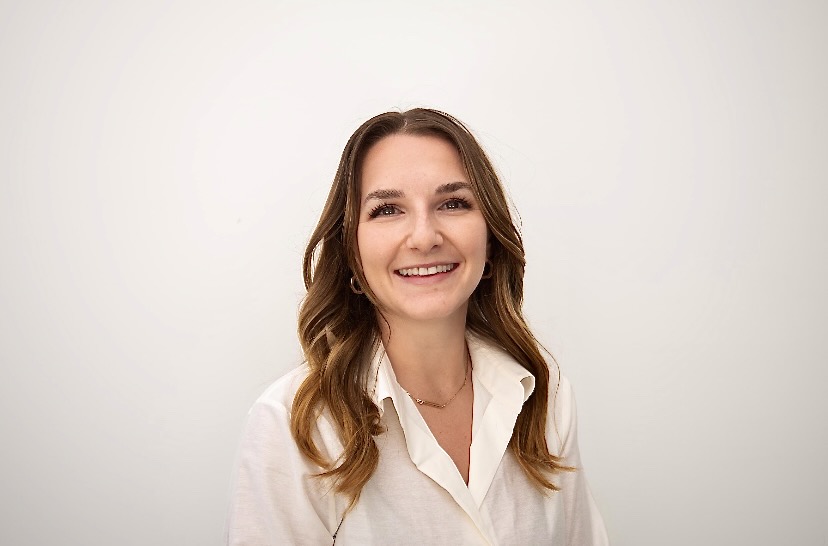
Maya Kuppermann, Co-Founder and CEO of Temelio
Maya Kuppermann is the Co-Founder and CEO of Temelio, a modern grants management platform built for small and mid-sized foundations and philanthropic organizations. With experience spanning nonprofit leadership, family philanthropy, and technology, Maya brings a practitioner’s perspective to building software that simplifies and strengthens grantmaking. She has worked closely with over one hundred funders to modernize their operations and improve the grantee experience. Maya is passionate about leveraging technology to increase the effectiveness and accessibility of philanthropy.